Photo of the week

Photo from our June 2014 Safari in Serengeti //

leopard_in_serengeti

Leopard hanging out on a limp on the way to Dunia Camp in Moru Kopjes. June 2014 Safari.

A beautiful leopard was spotted on my way to Dunia Camp near Moru Kopjes on our Safari right before the heavy rainfall.

Leopard are usually solitary animals. They tend to hunt alone and are known to drag their prey on a tree limp to keep it away from other scavengers.  They are also maternal and will care for their young until they are ready to hunt on their own.

I was happy to spot a leopard in South Central Serengeti. My guide Reuben at Olakira Camp told me his colleage Baraka spotted a coupling leopard pair with an offspring close by in Northern Serengeti.  I missed it by a couple of hours – Reuben was on his way to Kogatende airstrip to come pick me up from Arusha.

There is always next time!

Come see these beautiful cats on Safari with Journey To Africa.

Get in touch //
Email – Safari@JourneyToAfrica.com
Call – 1.877.558.6288

Hippo Pool in Ngorongoro Crater

News from the bush //

When having lunch around the hippo pool in Ngorongoro Crater, keep your eyes peeled.

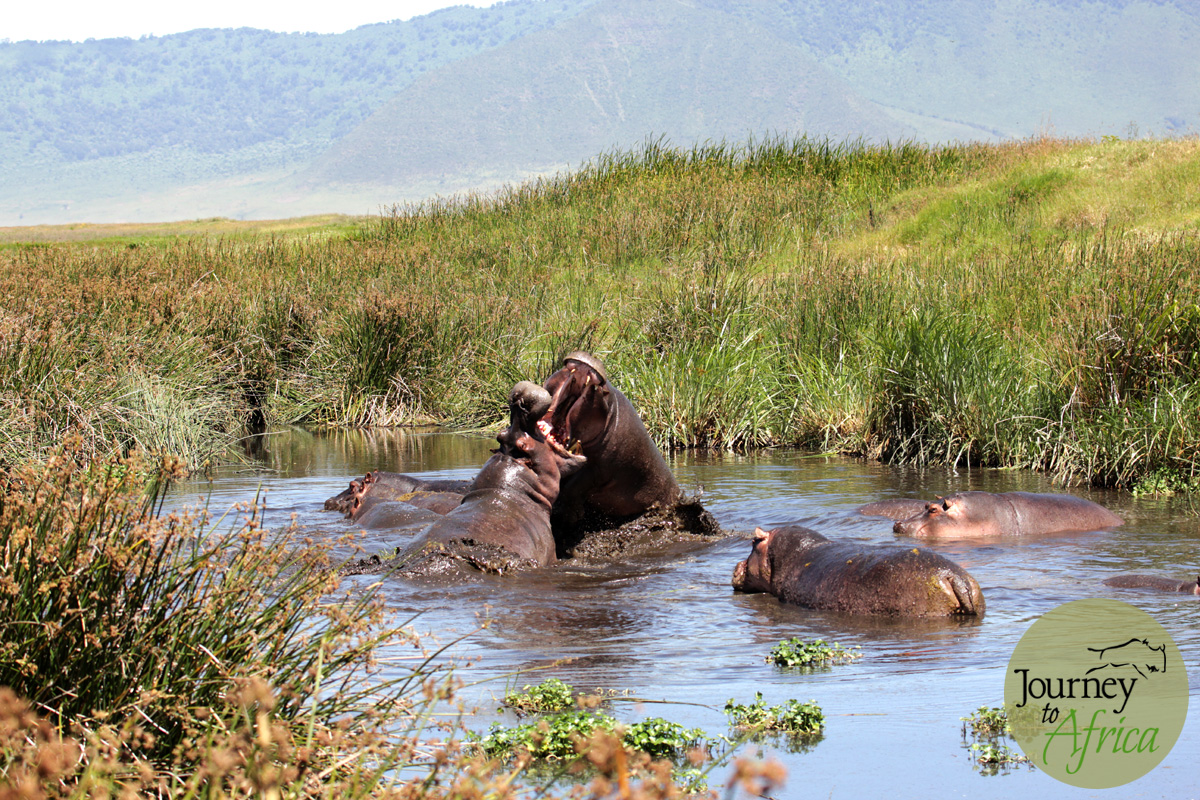
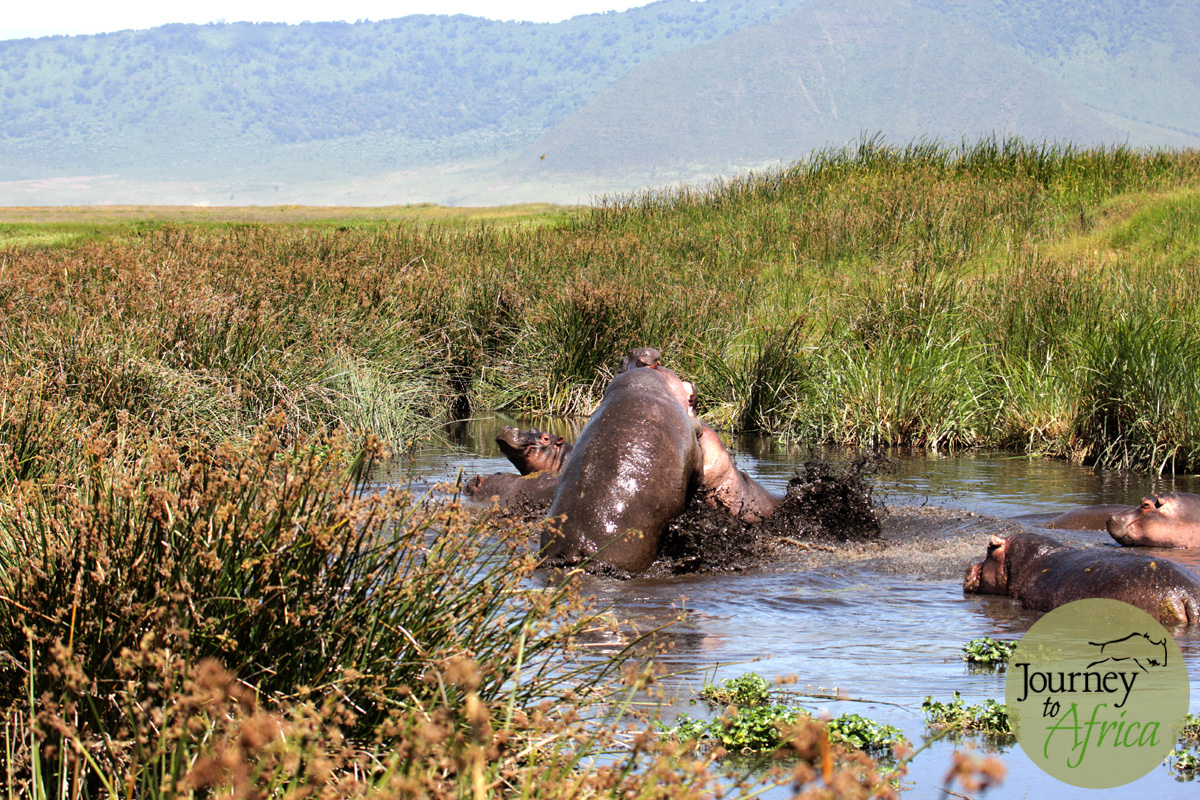
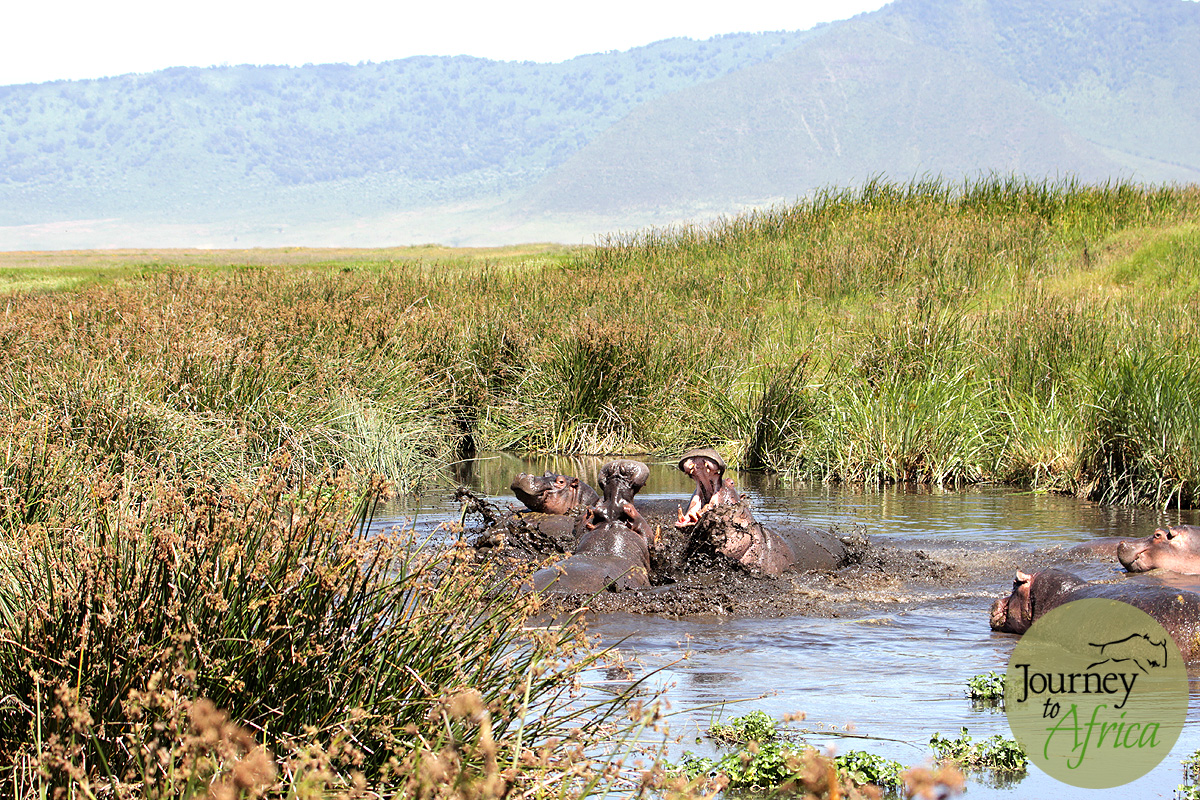
After viewing the packed hippo pool – lots of baby hippos here including twins – we were enjoying our Rhotia Valley Tented Lodge packed lunch when our entertaining guide Elisa told us to look at the two male hippos having a heated argument. They were really having a go at it and managed to have a few rounds of tussling around. Elisa told us male hippos tend to be aggressive. We would too if we had to stand packed in our own poo in a crowded pool.

Our front row seat in this tumultuous experience!

Hippo fighting in Ngorongoro Crater - June 2014.

Hippo fighting in Ngorongoro Crater – June 2014.

hippo_fighting_2

Hippo fighting – getting rowled up

hippo_fighting_3

My, what teeth you have!

hippo_fighting_4

You are going down mate!

hippo_fighting_5

It’s not over yet. We are going to have a go at it again.

The Great Migration

News from the bush //

Northern_Serengeti_June_2014

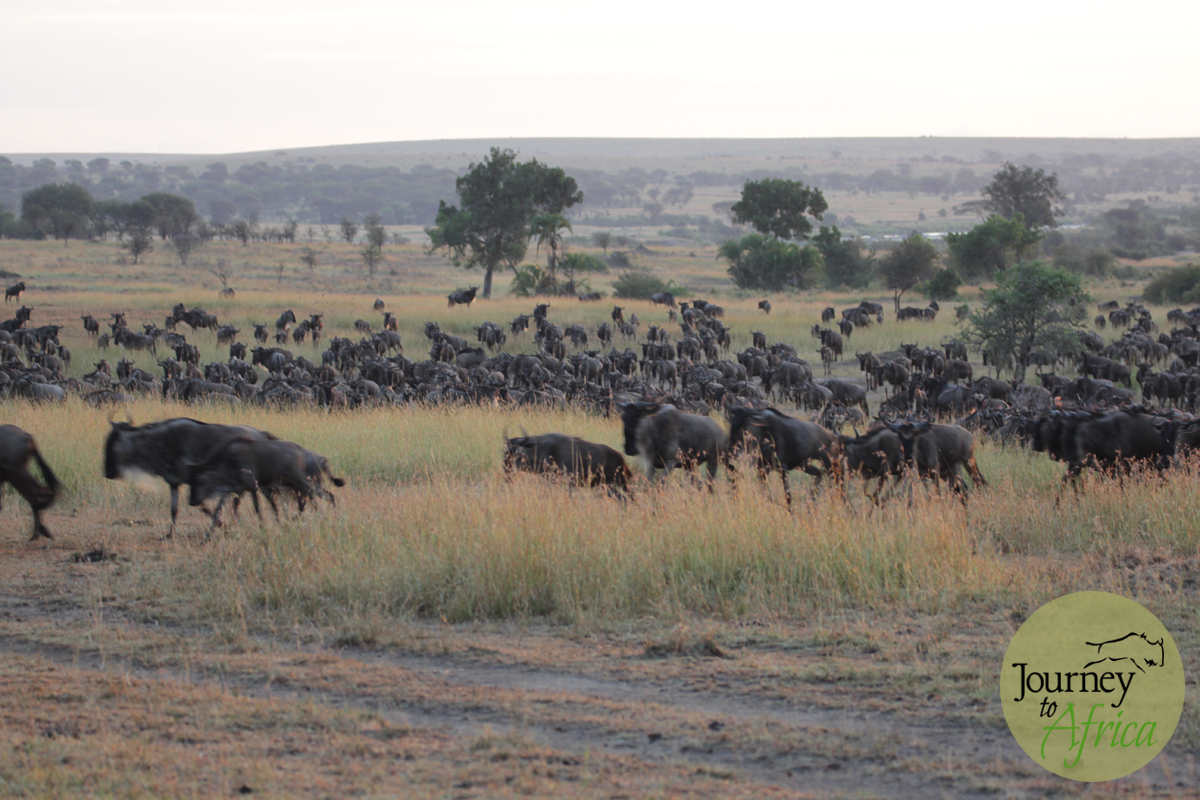
The Wildebeests moving into an area very close to Olakira Camp in Northern Serengeti. Taken around 6:45 am on our morning game drive.

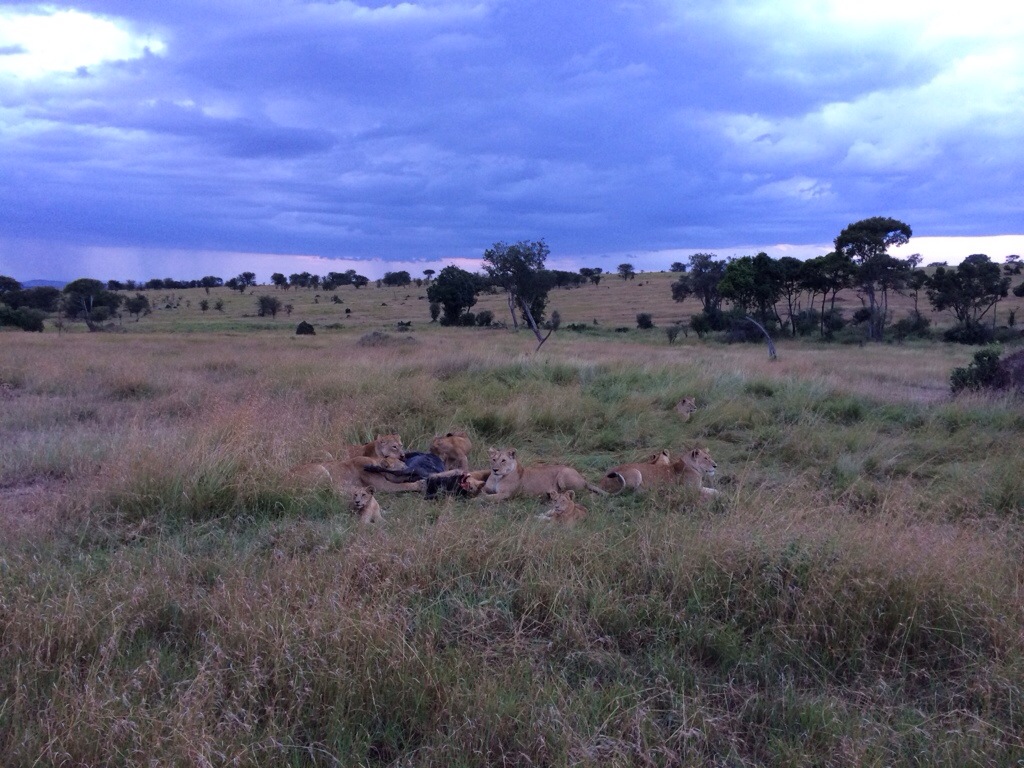
As much as you see pictures, read articles or watch videos, nothing really prepares you and your senses when you are in the middle of the Great Wildebeest and Zebra Migration, one of the Natural Wonders of the World.  The sheer numbers of Wildebeests and Zebras. The grunting and galloping sounds. The smell from these animals. The single file walking. The springy trotting.  The predators [amazing 20+ lions enjoying a wildebeest] that are enjoying a field day as ‘food’ is finally abundant.

This is how I feel when sitting in the middle of the herd in one of my favorite areas, Northern Serengeti [which is a great place to visit year round] in early June when the migration had arrived into this region earlier than the normal cycle from Western Serengeti. They usually arrive into Northern Serengeti in late June to early July. That is nature for you.  Unpredictable and awesome in its splendor.

Family of about 20 lions

News from the bush //

5 female lions, about 12 young cubs and 3 month old cubs devouring a wildebeest that was killed about 40 minutes ago.

A site to witness in Northern Serengeti from lovely Olakira Camp.

20140604-112101.jpg

Zanzibar Island

News from our Safari //

You can not help but admire these old doors in historic Stone Town, Zanzibar. Some are more than 100 years old. The more intricate with accessories like brass knobs and larger in size, the richer the family. So much history in Zanzibar Island.

20140602-114248.jpg

Photo of the week

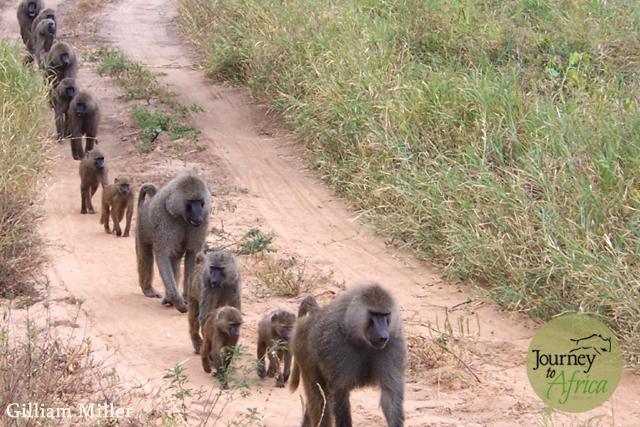
A family affair

A family affair

When you are around Lake Manyara area or at the gate of Ngorongoro Crater, you tend to see large groups of congregated baboons. They are usually grooming each other or camping right in the middle of the road having a conference of some sort.

And sometimes, you see a family going on their own Safari.

Let us help you plan your family’s Safari to Tanzania + Kenya and beyond. We use lodges and camps like Mara Bush House in Mara North Conservancy or Rhotia Valley inKaratu. Kids not only learn about wildlife but also get to interact with children or have activities that are geared to have then enjoy their time on Safari.


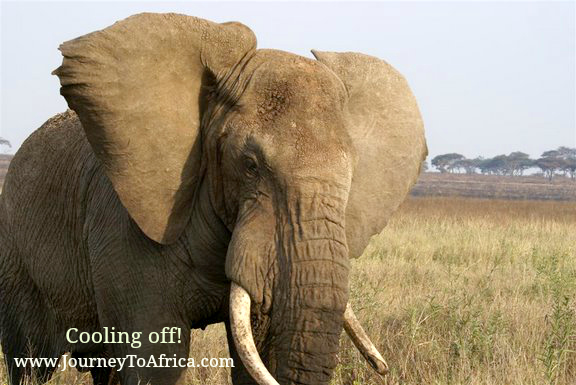
Did you know? Elephant ears.


African elephant ears!

African elephant ears!


What large ears you have?

An African elephant’s ears are about one-sixth the size of its large body. Elephants don’t have sweat gland so they flap their ears and use them to cool down in the hot African sun.  The extensive blood vessels that passes through the ears also radiate heat away. Spraying their ears with water and flapping will definitely aid in the cooling process.
And of course, they use them as fans to get rid of pesky flies.

Save our beautiful elephants!

Homepage


http://www.sheldrickwildlifetrust.org/

Swahili words

Jambo! Our guide with client Cynthia and Michael C.

Jambo! Our guide with client Cynthia and Michael C.

When you landing in Kilimanjaro Airport, the first thing you will hear is Jambo!
Jambo means hello in Swahili and a good word to learn.  Don’t worry, the custom official, your guide and most people you will pass on your Safari will speak English but saying Jambo to them will let them know you are happy to be in Tanzania or Kenya.

Want to know a few more words so you can really flex your Swahili.
– Habari gani? – How are you?
– Asante – Thank you.
– Karibu – Welcome.
– Lala Salama – Sleep well.
– Habari za asubuhi? – Good morning.
– Chai – Tea.
– Kahawa – Coffee.

To really impresss a local.
– Shagala Bagala – ‘this is messed up’ in a fun sense.
– Poa – I am chilling.

Photo of the week

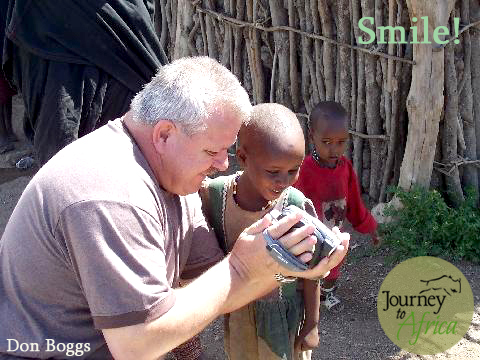
Don showing a little boy his own image. The smile on the boy is precious!

Don showing a little boy his own image. The smile on the boy is precious!

When on Safari, clients get to enjoy some cultural interactions. Whether is it spending time with your Tanzanian guide, going to see the Hadzabe tribe around Lake Eyasi, visiting a local school or stopping at a Maasai boma, these interactions for a lot of clients bring great joy. They are an eye-opening experience.

Don got to enjoy a lot of smiles from Tanzania. He stopped in the town of Moshi, base of Mt. Kilimanjaro first to meet with a girl he sponsors. On Safari, he and his friends got to spend time with the Hadza as well as Maasai tribe.

Best time to go on Safari in Northern Tanzania

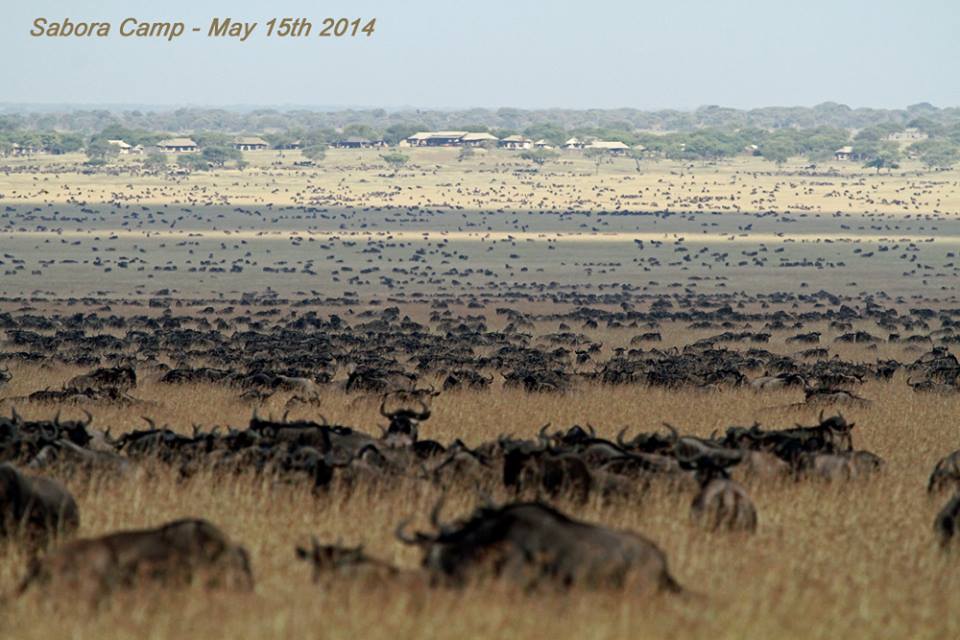
Taken by our elite guide Paul Oliver in Western Serengeti from Sabora Tented Camp

Taken by our elite guide Paul Oliver in Western Serengeti from Sabora Tented Camp in May 2014

One question we get a lot is what is the best time to go on Safari in Northern Tanzania?
Really, anytime you can make it, is good time for Safari. The wildlife is always present. If you are interested in the Great Wildebeest and Zebra Migration, a natural wonder of the world where 1.5 million Wildebeest and 0.5 million Zebra roam the Serengeti and Masai Mara eco-system, then we move you in the right place, right lodge for the right month.

Having said that, some people are extremely sensitive to heat.  If that is the case, stay away from December to March as Serengeti can be dry, dusty and hot [90Fs during the day with cooler 70Fs during the evening]. Our camps + vehicles do not have air condition which can be an issue.

If you are up for an adventure, pack your bags.

  • November to December // short rain season. Sporadic showers will not hinder your Safari. Wildebeest and Zebra migration heading to Southern to Eastern Serengeti and Ngorongoro Conservation Area.
  • January to March // hot. Birthing season for the Wildebeest and Zebra. Still in Southern to Eastern Serengeti and Ngorongoro Conservation Area. Tarangire National Park with its resident wildlife and its rivers and swamps will make you fall in love with this park.
  • April to May // long rain season. Showers can last a few hours but when it clears, fresh skies. If you don’t mind being adventurous [plans may change but we always have a Plan B] this is a great time to visit and get some amazing deals on lodges.  Paul Oliver calls this the secret season – less crowd but awesome wildlife – see his picture above. Tarangire National Park has black cotton soil which is tricky to drive on when it has rained hard but as we mentioned, get ready for an adventure.
  • June to July // cooler months. June is green after the rains. Enjoy the wild flowers. Migratory animals are roaming from Central to Western Serengeti on their way to Northern Serengeti. Wildlife from the surrounding areas are about to enter Tarangire National Park.
  • August to October // cool and dry season. The Wildebeest and Zebra population is dispersed in Masai Mara to Northern Serengeti. Mara River crossing is a site to witness. Tarangire National Park is alive with wildlife thanks to its permanent Silale Swamp and Tarangire River.

Twende [Let’s go] Safari!